Archive

February 12, 2026

Browsing

Since President Trump resumed office, leftists have run to the courts in a desperate attempt to stop — or, at the very least, stall — his agenda. To defeat this lawfare, President Trump needs the Senate’s help to put constitutionalists on the bench. Democrat senators’ obstruction is unsurprising; not even one has voted for one of President Trump’s appellate court nominees. Many Republican senators, however, are lagging in streamlining nominations. The most serious breakdown is in filling district court vacancies in deep-red states, especially Texas, Oklahoma and Kansas. With the midterms rapidly approaching, this glacial pace must accelerate in short order.

District courts are the engines of the federal judiciary, and vacancies there create immediate and tangible harm. These courts handle the bulk of federal litigation, from immigration to criminal prosecutions to constitutional challenges. Yet confirming district judges often proves harder than confirming Supreme Court justices. The problem lies in the blue-slip process. Home-state senators have a de facto veto on district court nominees, U.S. attorney nominees and U.S. marshal nominees.

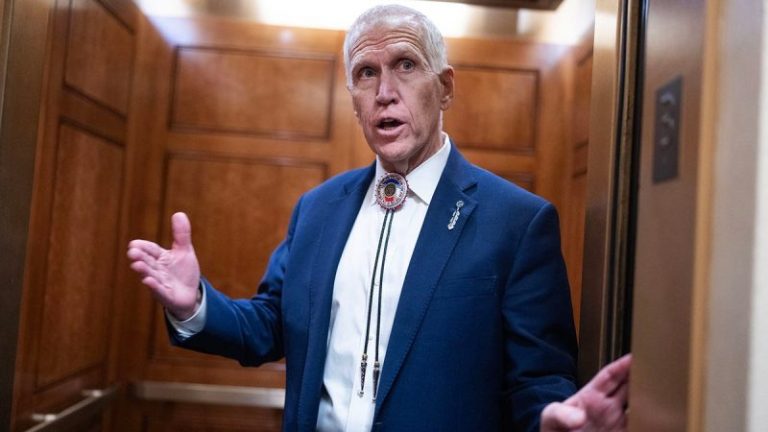
For over a century, U.S. senators have had the power to hand-select the U.S. attorneys who could prosecute them, U.S. district judges who could oversee their trials, and U.S. marshals who could escort them to prison. Senators will never give up this veto power. Sen. Thom Tillis of North Carolina, a lame-duck Republican who sits on the powerful Senate Judiciary Committee, made it crystal clear that he will oppose any nominee who lacks support from both home-state senators. Senate Judiciary Committee Chairman Chuck Grassley can do nothing about blue-slip obstruction when even one committee Republican can team up with Democrats to block any nominee.

There are roughly 15 district court vacancies in states with at least one Democrat senator. Because the blue slip is not going anywhere, it is unlikely that President Trump can fill many of these vacancies. Democrats are more obstructionist than ever. They caused the longest government shutdown in our history just a few months ago.

The far more troubling problem is the sheer number of vacancies in states represented by two Republican senators. Staggeringly, there are nearly two dozen district court vacancies in red states (i.e., states with two Republican senators). The most dire vacancy crises lie in Texas, Oklahoma, and Kansas. There are seven vacancies throughout Texas’ several judicial districts, for example. Texas deals with a massive amount of immigration litigation because it is a border state. There is no excuse for a deep-red state like Texas, which President Trump won by 14%, to have seven vacancies.

Texas sadly is not alone when it comes to an unacceptably slow pace in filling vacancies. Other deep-red states combined have over a dozen: one each in South Carolina, Louisiana, Alaska and Alabama; two each in Ohio, Oklahoma and Florida; and three in Kansas. President Trump won each of these states by double digits and most by over 20%. These states deserve judges who are strong constitutionalists in line with President Trump’s vision of the law.

If Senate Minority Leader Chuck Schumer reassumes the position of majority leader next year, he will grind the Trump judicial-confirmations train to a screeching halt. Grassley is a workhorse, so it is certain that he will expeditiously streamline President Trump’s nominees through the process this year. Senate Majority Leader John Thune has demonstrated remarkable efficiency in getting nominees swiftly confirmed. No judicial nominees remain on the Senate Executive Calendar. Only four remain in the Judiciary Committee, and they just had their confirmation hearing last week, meaning they will be on the floor and ready for a vote by the end of the month. Leader Thune and Grassley cannot process nominations if there are no nominees.

Republican home-state senators need to focus on this crucial task and understand the urgency of the moment. Since the Senate sits only 3.5 days a week in most weeks, floor time is limited. Should a Supreme Court vacancy arise, Judiciary Committee time and resources must be invested overwhelmingly in confirming President Trump’s nominee. Delay is a recipe for disastrous defeat, and it must end instantly.

Republican senators must get moving in filling judicial vacancies.

This post appeared first on FOX NEWS

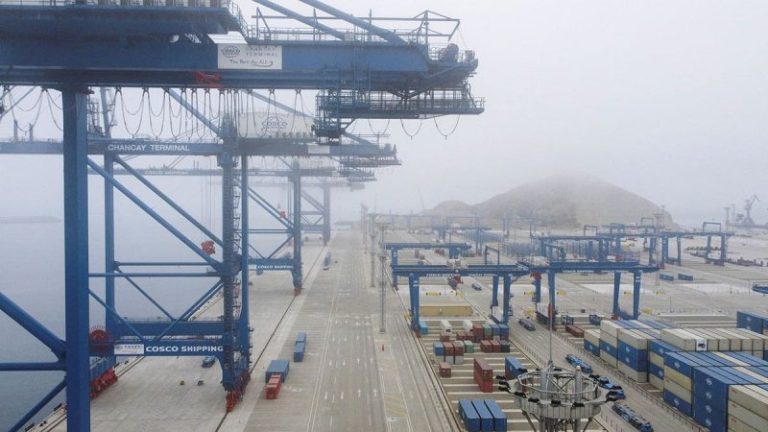
The United States is warning Peru that China’s growing control over a major Pacific port could threaten the country’s sovereignty, escalating tensions over Beijing’s expanding footprint in Latin America.

The concern centers on the $1.3 billion deep-water port in Chancay, north of Lima, which has become a flashpoint between Washington and Beijing after a Peruvian court ruling limited government regulatory oversight of the project.

The State Department’s Bureau of Western Hemisphere Affairs said on social media that it was ‘concerned about latest reports that Peru could be powerless to oversee Chancay, one of its largest ports, which is under the jurisdiction of predatory Chinese owners,’ adding: ‘We support Peru’s sovereign right to oversee critical infrastructure in its own territory. Let this be a cautionary tale for the region and the world: cheap Chinese money costs sovereignty.’

China’s foreign ministry rejected the comments as ‘rumor-mongering and smearing’ and insisted the project remains under Peruvian authority, according to the Associate Press report.

Asia analyst Gordon Chang told Fox News Digital: ‘Chancay is so central that analysts say it will redirect trade across the South Pacific. We know Beijing considers ports to be dual-use and strategic. China, held up the BlackRock deal to acquire the CK Hutchinson port operations in the Panama Canal Zone even though the ports are nowhere near China itself.’

‘In times of war, China will not allow its port operations to load, unload, or service American ships or ships coming from or going to U.S. ports,’ he warned.

Jack Burnham, senior analyst in the China Program at the Foundation for Defense of Democracies, said the port reflects a broader strategic push by Beijing in the region.

‘The Chancay port is a keystone in China’s investment in Latin America — its size and proximity provide a bridge across the Pacific and access to another market to fuel Beijing’s export-driven economic engine,’ Burnham said.

‘China’s investment in Peru is predicated on Beijing grasping the sinews of Lima’s critical infrastructure to gain influence. With effective control over the port cemented for now by a lower Peruvian court ruling, China gains access to one of the largest critical infrastructure projects in the region, a position from which it could exercise significant control.’

The dispute comes as Washington and Beijing compete for influence across Latin America, where China has expanded investment through infrastructure projects and trade, analysts say.

China’s state-owned shipping giant COSCO, which holds a majority stake in the project, dismissed U.S. concerns and said the court ruling ‘in no way involves aspects of sovereignty,’ adding that Peruvian authorities still oversee security, environmental compliance and customs, according to the Associated Press.

Peru’s transport infrastructure regulator, Ositran, has said it plans to appeal the ruling, arguing the port should not be exempt from the same oversight applied to other major facilities.

China’s Embassy in Washington DC did not provide a comment in time for publication.

The Associated Press contributed to this report.

This post appeared first on FOX NEWS

A partial government shutdown affecting the Department of Homeland Security (DHS) is all but guaranteed unless the Senate rams through a short-term extension of current funding levels sometime on Thursday.

But avoiding a DHS shutdown means the same measure must also pass the House of Representatives, where success will depend on delicate political maneuvering by Speaker Mike Johnson, R-La., to persuade a House Republican Conference with varying ideas of what a path forward should look like.

‘It would have to be for 60 or 90 days, I would think,’ said Rep. Ralph Norman, R-S.C., a member of the conservative House Freedom Caucus. ‘I don’t know what’s going to happen in 30 days, I don’t know what’s going to change.’

Senate Majority Leader John Thune, R-S.D., is expected to unveil a stopgap funding measure for DHS called a continuing resolution (CR), which would extend the department’s current budget for a yet-unknown amount of time.

It comes after Democrats walked away en masse from a bipartisan deal to fund DHS through the end of fiscal year (FY) 2026 over what they saw as insufficient guardrails on agencies responsible for President Donald Trump’s immigration crackdown in Minneapolis and elsewhere.

Congress has funded 97% of the federal government through FY2026 at this point. But DHS is a vast department with a broad jurisdiction that includes the U.S. Coast Guard, the Secret Service, the Federal Emergency Management Agency (FEMA) and the Transportation Security Administration (TSA) — all of which will see varying levels of disruptions if a shutdown happens.

Republicans largely want to avoid such a situation but have made clear they believe that its effects would fall squarely on Democrats’ shoulders.

Conservatives like Norman favor an extended CR, arguing that it would fund Immigrations and Customs Enforcement (ICE) at a higher level than the initial bipartisan funding deal would have while removing Democrats’ negotiating leverage for more guardrails on those agents.

House Freedom Caucus Chairman Andy Harris, R-Md., told Fox News Digital last week that he would support a full-year CR for DHS to ‘make sure that FEMA is funded and TSA is funded, and stop the drama.’

Rep. Eli Crane, R-Ariz., similarly said on Wednesday, ‘I think we’d like to push it out as far as we can so we can avoid the constant uncertainty for the agency.’

‘As long as this hangs up in the air, let’s say you do it for three, four months, the Democrats are gonna want a pound of flesh to help pass whatever it is. And I think that’s gonna weaken the efforts of … immigration enforcement,’ Crane told Fox News Digital.

House Appropriations Committee Chairman Tom Cole, R-Okla., told reporters earlier this week that he would favor a mid-length CR over something shorter.

‘If we do two weeks and they leave for a week, it’s really a one-week CR. Nothing’s going to happen when that many important people are gone. So I think four weeks makes a lot more sense,’ Cole said.

But committee member Rep. John Rutherford, R-Fla., panned the idea of a CR altogether.

‘CRs don’t work. CRs are not without pain. It disrupts a lot of your supply chain and purchasing and acquisition,’ he told Fox News Digital. ‘I can’t believe they’re even thinking about it.’

Rutherford, a former sheriff, argued that a shutdown or CR would harm critical national security operations during a year that’s expected to see a host of high-security events in the U.S. like America’s 250th anniversary celebration, the FIFA World Cup and others.

Johnson declined to share his thoughts on CR length when asked by Fox News Digital on Tuesday, but emphasized the House GOP’s position that the Senate should take up the bipartisan bill that Democrats initially walked away from.

‘I’m not going to prejudge the length of it or what it should be. I’m very hopeful. I mean, we still have time on the clock. When there’s a will, there’s a way. And if they can come to an agreement on this and get it done, that will behoove the whole country,’ Johnson said.

House GOP leaders will likely need nearly all Republicans on board to pass a CR for DHS, with many Democrats warning they will not support any funding for the department without seeing proof of critical reform.

Jeffries would not go into specifics about what he would support or oppose in terms of DHS funding during his weekly press conference on Monday, but he suggested to reporters that a simple stopgap funding bill with no changes to ICE funding was out of the question. 

‘ICE is out of control right now. The American people know it, and ICE clearly needs to be reined in,’ Jeffries said. ‘Our position has been clear. Dramatic changes are needed at the Department of Homeland Security before a DHS funding bill moves forward. Period. Full stop.’

This post appeared first on FOX NEWS

A new report from Alliance for Consumers (AFC) argues that progressive, often climate-change-related, activism and aligned trial lawyers are increasingly using lawsuits not to win big dollars but big changes.

Since the waning years of the Obama administration, AFC said that courtrooms have become the ‘battleground’ for the political left’s campaign to ‘reshape American society’ through ‘strategic litigation.’ 

AFC analyzed employment discrimination cases, environmental suits and corporate governance litigation and found that the outcomes, or sought-after outcomes, demonstrated a pattern of courtroom strategy meant to deliver policy changes that the left has been unable to achieve through state or federal legislation — particularly regarding DEI and climate.

‘If you really want to understand a substantial portion of why corporate America went really woke, there’s a story that can be told,’ O.H. Skinner, AFC’s executive director, told Fox News Digital.

Skinner said that corporate America believed President Barack Obama would be followed by ‘President Hillary Clinton’ — demonstrating continuity in many of these policy fields — leading to people leaving civil service jobs to join corporate HR and legal departments and bring their policy goals with them.

He alleged that officials in Washington signaled companies could face scrutiny if they did not align with emerging DEI priorities.

‘That’s describing a world where through government lawsuits, but also through private lawsuits, a lot of pressure was being brought on corporate America,’ said Skinner, whose previous work included time with the Arizona attorney general’s office under Mark Brnovich, who led the state’s largest consumer-protection lawsuit against Google over location tracking.

Skinner compared the strategy to ‘plaintiff-shopping’ in class-action litigation, where a firm may be paid millions in settlement while it ‘negotiates a coupon for you’ for the applicant-plaintiffs.

One of the firms cited in the study — which Skinner noted as alleged proof of its political persuasions — had filed a lawsuit against President Donald Trump and former New York City Mayor Rudolph Giuliani on behalf of Rep. Bennie Thompson, D-Miss., citing the Ku Klux Klan Act of 1871 after Jan. 6.

AFC’s report cited a 2019 shareholder-derivative suit brought by Cohen-Milstein against Alphabet — Google’s parent — on behalf of New York union pensioners, alleging it breached fiduciary duties and covered up a data breach and sexual harassment allegations.

The statement from Cohen-Milstein on the suit alleged Alphabet ‘fostered’ a misogynistic ‘‘brogrammer’ culture,’ and later celebrated the settlement ‘fundamentally altering Alphabet’s workforce policies,’ including a $310 million ‘financial commitment to DEI initiatives’ and its position toward ‘workplace equity.’

AFC found the lawsuit ‘functioned as a tool for advocacy groups to push a comprehensive expansion of the DEI agenda at one of the biggest companies with a massive budgetary commitment, all through litigation rather than legislative action or shareholder demand.’

Cohen-Milstein did not respond to Fox News Digital’s request for comment. 

Skinner’s team also cited a case in which the Obama Equal Employment Opportunity Commission (EEOC) allegedly did an end run around legislators and established new DEI practices at another major company through aggressive litigation.

Bass Pro/Outdoor World agreed to pay $10.5 million and provide ‘other significant relief’ to settle a hiring discrimination suit brought by Obama’s EEOC, according to the agency.

The administration claimed Bass Pro Shops discriminated against minority applicants, but instead of a strictly cash settlement, it reached agreements to mandate EEO training, affirmative diversity outreach and the appointment of a DEI director, according to AFC’s research.

In an ongoing climate-related suit — in which Honolulu is suing Sunoco via the Sher-Edling firm — the Hawaiian capital reportedly alleged public nuisance claims and sought to hold oil companies responsible for climate damages.

AFC’s report found the suit seeks not only monetary damages for ‘climate-related infrastructure costs,’ but also disgorgement of profits, climate-mitigation actions and other corporate reforms.

‘These cases attempt to use courts to impose climate policy, effectively putting judges in charge of energy and climate regulation rather than elected legislatures and administrative agencies with technical expertise,’ the report said. Fox News Digital reached out to Sher-Edling.

In another case, red-state government employees were granted access to transgender health care after a staff accountant surnamed Rich and other plaintiffs sued over a health plan that denied coverage of transgender care.

A $365,000 settlement was lodged and split among the defendants and an LGBTQ-rights group, while Georgia agreed to make sweeping policy changes to cover transgender care — something that would have typically gone through the legislature and likely failed with a Republican majority in charge.

The main litigant in that case was the Transgender Legal Defense and Education Fund (TLDEF) — which has now merged into Advocates for Trans Equality (ATE).

‘Strategic litigation by advocacy organizations successfully bypassed Georgia’s legislative process to impose highly contested healthcare policy through judicial decree, demonstrating how activist organizations achieve policy goals through courts rather than democratic processes,’ AFC found in its reporting analysis.

ATE did not respond to Fox News Digital’s request for comment. 

Impact litigation has long been used by advocacy groups across the political spectrum to advance policy goals through the courts. Right-leaning groups have also been successful in forging settlement agreements that secure policy-related outcomes rather than strictly cash settlements.

In CRPA v. LASD, a district court ruled that members of a Second Amendment advocacy group may apply for non-resident concealed-carry permits in California.

The 2025 case saw a judge rule in favor of the California Rifle and Pistol Association, requiring Sacramento to accept permit applications from any out-of-state resident who is a member of a number of Second Amendment organizations.

Skinner told Fox News Digital that the tide, at least at the EEOC, has changed, citing recent remarks by new Trump-appointed Chairwoman Andrea Lucas, saying that her tack instead will be to probe corporate diversity programs and enforce against DEI.

‘That’s the crucial part about each of [the report’s] cases, it’s not, oh, some company allegedly discriminated against women or minorities — they might have, right. The problem with those cases and something that I think you would want to highlight is it’s not that somebody allegedly was mistreated and got money. It’s that the lawsuit was used to unlock all sorts of other bells and whistles that were not directly about anybody who was hurt, if they were hurt.’

In Lucas’ comments to Reuters in December, she said she would ‘shift [EEOC] to a conservative view of civil rights.’

AFC’s report concluded by summarizing that ‘lawsuits are increasingly used not to resolve disputes or compensate victims, but to impose policy changes that advocates have been unable to achieve through democratic processes.’

‘This transformation represents a fundamental challenge to democratic governance. When lawyers and activists can impose sweeping policy changes without having to go to the ballot box, or even after having been denied at the ballot box, the everyday consumers stop having a direct say in the products and choices that are before them on a daily basis.’

This post appeared first on FOX NEWS

In the face of President Donald Trump’s concerns about Arctic security and his calls for the U.S. to acquire Greenland, NATO has launched a security effort called ‘Arctic Sentry.’

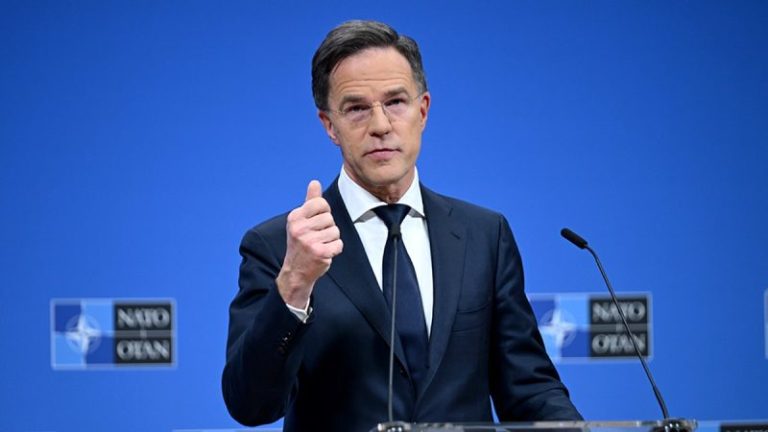
‘Still, in the face of Russia’s increased military activity and China’s growing interest in the High North, it was crucial that we do more, which is why we have just two hours ago launched Arctic Sentry,’ NATO Secretary General Mark Rutte said during remarks on Wednesday.

‘Initially, it will bring together exercises like Denmark’s Arctic Endurance and Norway’s Cold Response,’ he noted. 

Last month, U.S. President Donald Trump said in a Truth Social post that he had a ‘very productive meeting’ with NATO’s Rutte.

‘We have formed the framework of a future deal with respect to Greenland and, in fact, the entire Arctic Region. This solution, if consummated, will be a great one for the United States of America, and all NATO Nations,’ Trump wrote at the time.

In a statement provided to Fox News Digital on Thursday, a White House official said, ‘The Arctic is a critical region for U.S. national security and the economy. As an Arctic nation, the United States will pursue its security and economic interests and ensure safety, stability, and prosperity in the face of growing competition from China and Russia.’

A Wednesday press release from Supreme Headquarters Allied Powers Europe noted, ‘Allied Command Operations (ACO), which is responsible for the planning and execution of all NATO exercises, activities and operations, began Arctic Sentry today.’

‘The preparations for Arctic Sentry provided NATO planners with full visibility of Allied nations’ activities in the Arctic and High North. Moving forward, ACO will use Arctic Sentry to cohere these actions into one overarching operational approach to Allies’ increasing activities, which will enhance NATO’s presence there,’ the press release notes. 

‘These activities include, among others, Denmark’s Arctic Endurance, a series of multi-domain exercises designed to enhance Allied ability to operate in the region, and Norway’s upcoming exercise Cold Response, where troops from across the Alliance have already begun to arrive,’ the release states.

This post appeared first on FOX NEWS

NOT FOR DISSEMINATION, DISTRIBUTION, RELEASE, OR PUBLICATION, DIRECTLY OR INDIRECTLY, IN OR INTO THE UNITED STATES OR FOR DISTRIBUTION TO U.S. NEWSWIRE SERVICES

Oreterra Metals Corp. (TSXV: OTMC,OTC:RMIOD) (OTCID: RMIOD) (FSE: D4R0) (WKN: A421RQ) (‘Oreterra’ or the ‘Company’) (previously, ‘Romios Gold Resources Inc.’) is pleased to announce that, due to significant demand, the non-brokered private placement financing announced on February 10, 2026 will be increased by up to $2,000,000 for aggregate gross proceeds of up to $8,000,000 through the issuance of a combination of up to $4,000,000 in hard-dollar units (‘HD Units’) of the Company at a price of $0.45 per HD Unit and up to $4,000,000 in flow-through units (‘FT Units’) at a price of $0.50 per FT Unit (collectively, the ‘Offering’). Closing of the Offering is scheduled for on or before February 27, 2026.

Insiders may participate for up to 5% of the Offering. Such insider private placements will be exempt from the valuation and minority shareholder approval requirements of Multilateral Instrument 61-101 (‘MI 61-101‘) by virtue of the exemptions contained in sections 5.5(a) and 5.7(1) (a) of MI 61-101 in that the fair market value of the consideration for the securities of the Company which will be issued to the insiders will not exceed 25% of its market capitalization.

Financing Details:

Each HD Unit, priced at $0.45, comprises of one (1) common share of the Company and one (1) common share purchase warrant (each a ‘HD Warrant‘). Each HD Warrant will entitle the holder thereof to acquire one additional common share of the Company at an exercise price of $0.60 per share for three years following the closing of the Offering.

Each FT Unit, priced at $0.50, comprises of one (1) common flow-through share of the Company (each a ‘FT Share‘), and one (1) common share purchase warrant (each an ‘FT Warrant‘). Each FT Warrant will entitle the holder thereof to acquire one additional common share of the Company at an exercise price of $0.60 per share for three years following the closing of the Offering.

The Company may pay eligible finders a fee of 6% of the proceeds from the sale of HD Units or FT Units in cash or securities, or a combination of both, subject to the rules of the TSX Venture Exchange (the ‘TSXV‘).

The FT Shares will qualify as ‘flow-through shares’ (within the meaning of subsection 66(15) of the Income Tax Act (Canada) (the ‘Tax Act’). An amount equal to the gross proceeds from the issuance of the FT Shares will be used to incur eligible resource exploration expenses which will qualify as (i) ‘Canadian exploration expenses’ (as defined in the Tax Act), and (ii) as ‘flow-through critical mineral mining expenditures’ (as defined in subsection 127(9) of the Tax Act) (collectively, the ‘Qualifying Expenditures‘). Qualifying Expenditures in an aggregate amount not less than the gross proceeds raised from the issue of the FT Shares will be incurred (or deemed to be incurred) by the Company on or before December 31, 2027 and will be renounced by the Company to the initial purchasers of the FT Shares with an effective date no later than December 31, 2026. The net proceeds from the issuance of HD Units will be primarily used for exploration activities at the Company’s Trek property, as well as for general working capital purposes.

It is expected that the Offering will close on or before February 27, 2026, or such other date or dates that the Company may determine (the ‘Closing Date‘), subject to the receipt of all required regulatory approvals, including the approval of the TSXV. All securities issued in connection with the Offering will be subject to a hold period of four months and one day from the Closing Date, in accordance with applicable Canadian securities laws.

The securities described herein have not been, and will not be, registered under the United States Securities Act of 1933, as amended (the ‘U.S. Securities Act‘), or any state securities laws, and accordingly, may not be offered or sold within the United States except in compliance with the registration requirements of the U.S. Securities Act and applicable state securities requirements or pursuant to exemptions therefrom. This press release does not constitute an offer to sell or a solicitation to buy any securities in any jurisdiction.

About Oreterra Metals Corp.

Oreterra Metals Corp. commenced trading on February 2, 2026, under the new ticker OTMC, following a months-long effort to restructure the former Romios Gold Resources Inc.. Management took on the task because it believes the Company’s wholly-owned Trek South porphyry copper-gold prospect represents, based upon the impressive results of the spectrum of geosciences applied to the target area to date, among the finest new targets of its kind in BC’s Golden Triangle. The Company recently released (news, January 22, 2026) a National Instrument 43-101 Technical Report for the Trek property which recommends two initial phases of drilling at Trek South, for execution in the approaching 2026 field season. A copy of the Technical Report is available on the Company’s website at www.oreterra.com, and on the Company’s SEDAR+ issuer profile at www.sedarplus.com.

Additional wholly-owned Company property interests include two former producers in Nevada: the Kinkaid claims in the Walker Lane trend covering numerous shallow Au-Ag-Cu workings over what is believed to be one or more porphyry centres (source: J.Biczok, P.Geo, June 2025, Kinkaid Gold-Copper-Silver Project, www.oreterra.com), and the Scossa mine property in the Sleeper trend which is a former high-grade gold producer (source: J.Biczok, P.Geo, July 2025, Scossa Historic Gold Mine Property, www.oreterra.com). The Company also holds a 100% interest in the large Lundmark-Akow Lake Au-Cu property adjacent to the northwest of the Musselwhite Mine in northwestern Ontario, where drilling by the Company has produced highly encouraging, broad VMS-style Au-Cu intersections.

For further information visit www.oreterra.com or contact:

Kevin M. Keough
Chief Executive Officer
Tel: 613 622-1916
Email: kkeough@oreterra.com
Stephen Burega
President
Tel: 647 515-3734
Email: sburega@oreterra.com


Neither the TSX Venture Exchange nor its Regulation Services Provider (as that term is defined in the policies of the TSX Venture Exchange) accepts responsibility for the adequacy or accuracy of this release.

Cautionary Statement Regarding Forward-Looking Information

This news release includes certain ‘forward-looking statements’ which are not comprised of historical facts. Forward-looking statements include estimates and statements that describe the Company’s future plans, objectives or goals, including words to the effect that the Company or management expects a stated condition or result to occur. Forward-looking statements may be identified by such terms as ‘believes’, ‘anticipates’, ‘expects’, ‘estimates’, ‘may’, ‘could’, ‘would’, ‘will’, or ‘plan’. Since forward-looking statements are based on assumptions and address future events and conditions, by their very nature they involve inherent risks and uncertainties. Although these statements are based on information currently available to the Company, the Company provides no assurance that actual results will meet management’s expectations. Risks, uncertainties and other factors involved with forward-looking information could cause actual events, results, performance, prospects and opportunities to differ materially from those expressed or implied by such forward-looking information. Factors that could cause actual results to differ materially from such forward-looking information include, but are not limited to failure to identify mineral resources, delays in obtaining or failures to obtain required governmental, environmental or other project approvals, political risks, inability to fulfill the duty to accommodate First Nations, uncertainties relating to the availability and costs of financing needed in the future, changes in equity markets, inflation, changes in exchange rates, fluctuations in commodity prices, delays in the development of projects, capital and operating costs varying significantly from estimates and the other risks involved in the mineral exploration and development industry, and those risks set out in the Company’s public documents filed on SEDAR. Although the Company believes that the assumptions and factors used in preparing the forward-looking information in this news release are reasonable, undue reliance should not be placed on such information, which only applies as of the date of this news release, and no assurance can be given that such events will occur in the disclosed time frames or at all. The Company disclaims any intention or obligation to update or revise any forward-looking information, whether as a result of new information, future events or otherwise, other than as required by law.

To view the source version of this press release, please visit https://www.newsfilecorp.com/release/283677

News Provided by TMX Newsfile via QuoteMedia

This post appeared first on investingnews.com

–Seven diamond drill holes (1,244m) completed in less than two weeks with confirmed oxide mineralization in all logged holes–

Saga Metals Corp. (‘SAGA’ or the ‘Company’) (TSXV: SAGA,OTC:SAGMF) (OTCQB: SAGMF) (FSE: 20H), a North American exploration company focused on critical mineral discoveries, is pleased to provide an operational update on its ongoing 2026 phase of the maiden Mineral Resource Estimate (‘MRE’) diamond drill program at the Trapper Zone within the 100%-owned Radar Titanium-Vanadium-Iron Project near Cartwright, Labrador, Canada.

Drill Program Highlights

  • Completed seven (7) holes (R-0016 to R-0022) with significant oxide intercepts ranging from 58 m to 111.67 m, predominantly semi-massive oxide with extensive rhythmic layering.
  • Multiple holes intercepted broad zones of semi-massive oxide exceeding 65–87 m, confirming increased oxide concentration and thickness in the southeastern anomaly.
  • Rhythmic banding and semi-massive to massive oxide mineralization observed consistently, aligning with prior high-grade results from Trapper North.
  • Drilling progressing efficiently, with the eighth (8) hole (R-0023) nearing completion as the first test of the southwestern target area.
  • Upon completion of R-0023, the drill rig will move north along the southwestern limb in Trapper South, continuing systematic expansion along the trend.

Since commencing drilling in late January 2026, the team has completed seven (7) diamond drill holes with depths ranging from 149 m to 206 m, totalling 1,244 m drilled, targeting the southeastern oxide anomaly in Trapper South. Notable intercepts include 111.67 m of oxide in R-0018 (including 65.04 m semi-massive), 90.08 m in R-0017 (including 87.08 m semi-massive), 87.2 m in R-0020 (with 58.7 m rhythmic layering), 66.45 m of oxide s in R-0019, and 58 m in R-0016. R-0017 twinned R-0016 at a steeper dip for structural confidence comparison. R-0021 and -0022 are currently being logged and are expected to be reported shortly. R-0022 marks the conclusion of targeting this specific southeastern portion of the anomaly. These holes continue to demonstrate extensive rhythmic oxide layering and semi-massive mineralization, hallmarks of the high-grade oxide sequences observed across the project. The drill rig is now located on the southwestern oxide anomaly in Trapper South and has commenced drilling on R-0023.

Figure 1: Longitudinal section of drill holes R-0016, -0018, -0019, -0020 highlighting an ~500 m strike of semi-massive oxides and rhythmic layering with the 3D Magnetic Inversion of the 2025 Trapper Zone ground magnetic survey. See Table 1 below which depicts the total length of the oxide intercepts.

Detailed Drill Hole Summary (R-0016 to R-0022)

Drill Hole Azimuth / Dip Total Depth (m) From (metres) To (metres) Semi-Massive Oxide (m) Rhythmic Layering (m) Total Oxide (m)
R-0016 38° / -45° 206 44 102 45.84 12.16 58
R-0017 38° / -70° 161 50.56 140.64 87.08 3 90.08
R-0018 38° / -45° 188 44.7 156.37 65.04 46.63 111.67
R-0019 38° / -45° 182 66.55 133 37.96 28.49 66.45
R-0020 38° / -45° 206 50.8 138 28.5 58.7 87.2
R-0021 38° / -70° 152 Logging in-progress
R-0022 38° / -45° 149 Logging in-progress
  Total (m) 1,244          
               

Table 1: Summary of drill holes R-0016 to R-0022, highlighting the oxide intercepts. Logging of R-0021 & -0022 is in progress.

Figure 2: Trapper Zone map outlining location of the initial 2026 focus for the remainder of the MRE drill program to be completed in 2026, including cross-sections N11, S11, S8 S7, S6 and longitudinal section CC, showing the TMI of the 2025 Trapper Zone ground magnetic survey. Drilling will commence in Trapper South and move to Trapper North.

Drilling the southeastern limb of Trapper South focused on 100 m spacing to test the oxide zone, with drill holes R-0016 to R-0022. Two drill holes were twinned to better define the oxide intercepts and structures. These twinned holes are R-0016 and R-0017, drilled at 45° and 70° respectively at N038 azimuth, and R-0020 and R-0021 with the same azimuth and inclination respectively.

The oxide zone in R-0016 is intercepted at 44 m, a faulted contact with the Gabbronorite into semi-massive oxides. This zone includes rhythmic layering with a SE striking magmatic contact with the semi-massive oxide at 95m, dipping to the west (N145 30SW). The 68.5m oxide zone ends at 112.5 m with rhythmic layering at a steep NNW fault dipping NE (N354 78NE).

R-0017 is drilled at the same location with an inclination of 70° to test the intercepts of the oxide zone. The oxide zone in this drill hole is intersected at 50.56 m, correlating nicely to R-0016 and the believed 85-degree dipping oxide unit, at a fault contact of Gabbronorite and semi-massive oxides. The lower contact of the oxide zone with the gabbronorite is intersected at 140.6m, a fault contact represented by a 0.2 m felsic dyke, for a total cumulative oxide zone in R-0017 of 90.8 m.

Figure 3: Cross section of S8 showing R-0016 and R-0017 highlighting intercepts of semi massive oxides and layering sequence with the 3D Magnetic Inversion of the 2025 Trapper Zone ground magnetic survey.

Michael Garagan, CGO & Director of Saga Metals, commented: ‘Drilling is progressing at an exceptional pace with 7 drill holes completed in less than two weeks. These early 2026 observations from the southeastern anomaly at Trapper South are highly encouraging, with intercepts of semi-massive to massive oxide mineralization and/or prominent rhythmic banding observed in every hole. The consistency and thickness we’re seeing reinforce our confidence in the potential scale and continuity of this zone. Completing R-0022 has wrapped up our targeted section in the southeast, allowing us to shift to the western limb and build toward a more comprehensive understanding of the entire Trapper South anomaly as we advance our maiden MRE.’

With sampling of drill holes R-0016 and -0017 completed, a total of 209 samples have been sent to Impact Global Solutions (IGS) Laboratory in Montreal. Teams are actively logging and sampling the remaining completed holes, with shipment of additional samples from R-0018 and -0019 planned for early next week. Assay results from these holes are pending and will be released as they become available. The Company remains on track with its systematic MRE drill program across the Trapper Zone.

Key Project Highlights:

  • Confirmed mineralization in 22 out of 22 drill holes completed and observed in two primary zones to date.
  • Analytical results to date include numerous oxide-rich intercepts, including:
             
DDH FROM TO Length Fe2O3 TiO2 V205
ID m m m % % %
R-0009 94 181.2 87.20 50.67 10.15 0.339
R-0008 170 237.6 68.26 46.15 9.21 0.311
R-0010 1.5 137 135.50 50.03 7.87 0.352
R-0015 73.3 174 100.70 38.56 6.80 0.229
R-0011 58.1 153.3 95.15 39.49 6.49 0.222
R-0014 8.8 50 41.20 36.17 6.36 0.188
R-0007 147.5 205.2 57.70 27.09 5.31 0.365
             

Table 2: Top 7 intercepts from the 2025 drilling programs at both Trapper and Hawkeye Zones

  • Infrastructure including road access, deep-water port, nearby hydro-electric power and airstrip.
  • Confirmed the 16+ km oxide layering trend that stretches from the Hawkeye Zone to the Trapper Zone.
  • Exceptional grades and thicknesses with semi-massive to massive oxide reporting up to 64.55% Fe,13.3% TiO2, and 0.66% V2O5.
  • Petrographic analysis confirms titanomagnetite mineralization is advantageous for simplified metallurgical processing.

About the Radar Critical Mineral Property in Labrador

The Radar Property spans 24,175 hectares and hosts the entire Dykes River intrusive complex (~160 km²), a unique position among Western explorers. Geological mapping, geophysics, and trenching have already confirmed oxide layering across more than 20 km of strike length, with mineralization open for expansion.

Figure 4: Radar Property map, depicting magnetic anomalies, oxide layering and the site of the 2025 drill programs. The Property is well serviced by road access and is conveniently located near the town of Cartwright, Labrador. A compilation of historical aeromagnetic anomalies is overlaid by ground-based geophysics, as shown.

Vanadiferous titanomagnetite (‘VTM’) mineralization at Radar is comparable to global Fe–Ti–V systems such as Panzhihua (China), Bushveld (South Africa), and Tellnes (Norway), positioning the Project as a potential strategic future supplier of titanium, vanadium, and iron to North American markets.

Figure 5: Radar Project’s prospective oxide layering zone validated over ~16 km strike length through Fall 2025 drilling, as shown on a compilation of historical airborne geophysics as well as ground-based geophysics in the Hawkeye and Trapper zones completed by SAGA in the 2024/2025 field programs. SAGA has demonstrated the reliability of the regional airborne magnetic surveys after ground-truthing and drilling in the 2024 and 2025 field programs.

Upcoming Events

Saga Metals will be attending the Prospectors & Developers Association of Canada (PDAC) Conference in Toronto, Ontario, from March 1 – 4, 2026.

For further information, questions, or to arrange a meeting with Management during the Convention, please call Rob Guzman, Investor Relations at Saga Metals Corp.

Tel: +1 (844) 724-2638
Email: rob@sagametals.com

Qualified Person
Paul J. McGuigan, P. Geo., is an Independent Qualified Person as defined under National Instrument 43-101 and has reviewed and approved the technical information disclosed in this news release.

About Saga Metals Corp.

Saga Metals Corp. is a North American mining company focused on the exploration and discovery of a diversified suite of critical minerals that support the North American transition to supply security. The Radar Ti-V-Fe Project comprises 24,175 hectares and entirely encloses the Dykes River intrusive complex, mapped at 160 km² on the surface near Cartwright, Labrador. Exploration to date, including 4,250 m of drilling, has confirmed a large, mineralized layered mafic intrusion hosting vanadiferous titanomagnetite (VTM) and ilmenite mineralization with strong grades of titanium and vanadium.

The Double Mer Uranium Project, also in Labrador, covers 25,600 hectares and features uranium radiometrics that highlight an 18km east-west trend, with a confirmed 14km section producing samples as high as 0.428% U3O8. Uranium uranophane was identified in several areas of highest radiometric response (2024 Double Mer Technical Report).

Additionally, SAGA owns the Legacy Lithium Property in Quebec’s Eeyou Istchee James Bay region. This project, developed in partnership with Rio Tinto, has been expanded through the acquisition of the Amirault Lithium Project. Together, these properties cover 65,849 hectares and share significant geological continuity with other major players in the area, including Rio Tinto, Winsome Resources, Azimut Exploration, and Loyal Metals.

With a portfolio spanning key commodities critical to the clean energy future, SAGA is strategically positioned to play an essential role in critical mineral security.

On Behalf of the Board of Directors

Mike Stier, Chief Executive Officer

For more information, contact:

Rob Guzman, Investor Relations
Saga Metals Corp.
Tel: +1 (844) 724-2638
Email: rob@sagametals.com
www.sagametals.com

Neither the TSX Venture Exchange nor its Regulation Service Provider (as that term is defined in the policies of the TSX Venture Exchange) accepts responsibility for the adequacy or accuracy of this release.

Cautionary Disclaimer
This news release contains forward-looking statements within the meaning of applicable securities laws that are not historical facts. Forward-looking statements are often identified by terms such as ‘will’, ‘may’, ‘should’, ‘anticipates’, ‘expects’, ‘believes’, and similar expressions or the negative of these words or other comparable terminology. All statements other than statements of historical fact, included in this release are forward-looking statements that involve risks and uncertainties. In particular, this news release contains forward-looking information pertaining to the Company’s Radar Project. There can be no assurance that such statements will prove to be accurate and actual results and future events could differ materially from those anticipated in such statements. Important factors that could cause actual results to differ materially from the Company’s expectations include, but are not limited to, changes in the state of equity and debt markets, fluctuations in commodity prices, delays in obtaining required regulatory or governmental approvals, environmental risks, limitations on insurance coverage, inherent risks and uncertainties involved in the mineral exploration and development industry, particularly given the early-stage nature of the Company’s assets, and the risks detailed in the Company’s continuous disclosure filings with securities regulations from time to time, available under its SEDAR+ profile at www.sedarplus.ca. The reader is cautioned that assumptions used in the preparation of any forward-looking information may prove to be incorrect. Events or circumstances may cause actual results to differ materially from those predicted, as a result of numerous known and unknown risks, uncertainties, and other factors, many of which are beyond the control of the Company. The reader is cautioned not to place undue reliance on any forward-looking information. Such information, although considered reasonable by management at the time of preparation, may prove to be incorrect and actual results may differ materially from those anticipated. Forward-looking statements contained in this news release are expressly qualified by this cautionary statement. The forward-looking statements contained in this news release are made as of the date of this news release and the Company will update or revise publicly any of the included forward-looking statements only as expressly required by applicable law.

Photos accompanying this announcement are available at
https://www.globenewswire.com/NewsRoom/AttachmentNg/4db4ca99-f6f4-45e9-a19c-7cdd283d751c
https://www.globenewswire.com/NewsRoom/AttachmentNg/84605cec-dd92-44e2-9cc5-a3391580f074
https://www.globenewswire.com/NewsRoom/AttachmentNg/4f414e7f-5925-4269-a3d4-dd6eb5e10a54
https://www.globenewswire.com/NewsRoom/AttachmentNg/51389ab8-a168-46b1-9735-7a2f30687a5d
https://www.globenewswire.com/NewsRoom/AttachmentNg/4551a8d1-f874-4e74-b90f-e13c6b0be25c

News Provided by GlobeNewswire via QuoteMedia

This post appeared first on investingnews.com
Tartisan Nickel Corp. (CSE: TN,OTC:TTSRF) (OTCQB: TTSRF) (FSE: 8TA) (‘Tartisan’, or the ‘Company’) is pleased to provide an update on the Company’s flagship Kenbridge Nickel-Coppet-Cobalt Project, Sioux Narrows, Ontario. The drill program is designed to test the on strike and down dip potential for additional nickel sulphide mineralization and to enhance the size and grade of the Kenbridge Deposit.

A total of 2,700m of drilling has been completed to date. The first 3 drill targets have been completed (drill holes KB26-207, KB26-208 and KB26-209 outlined on Figure 1). Samples have been delivered to AGAT Labs in Thunder Bay for analysis. Assays are pending for hole KB26-209. The drill rig is currently drilling the 4th drill hole KB26-210. This hole is designed to be drilled below the existing shaft bottom to test for the depth extension to the deposit.

Reported in this release are the results from the 2nd infill drill hole KB26-208. Results from the hole confirm both A and B zones were intersected as outlined in Table 1 below. Zone A was intersected from 571.5m to 574.5m drill depth and returned 0.68% Ni, 0.28% Cu over 3.0 metres. Zone B was intersected from 580.5m to 591.5m drill depth. Results were 1.05% Ni, 0.33% Cu over 11.0 metres including 2.0 metres of 4.79% Ni, 1.25% Cu. Drill core intersection widths are estimated to be between 65 and 80% true width.

Fig 1: Long section of Kenbridge deposit showing drilling targets. Completed or holes in progress are outlined in red circles.

To view an enhanced version of this graphic, please visit:
https://images.newsfilecorp.com/files/1492/283655_45b32470649ac836_002full.jpg

Mark Appleby, CEO of Tartisan Nickel Corp stated, ‘We are very encouraged by the latest drill results from the Kenbridge Nickel-Copper-Cobalt Project. Intersecting 11.0 metres of 1.05% Ni and 0.33% Cu, including a high-grade interval of 2.0 metres grading 4.79% Ni and 1.25% Cu and a high-grade interval of 3.5 metres grading 2.87% Ni and 0.81% Cu helps us confirm continuity of significant nickel-copper mineralization in this part of the system. These results strengthen our confidence in the project’s potential to deliver meaningful value for our shareholders as we advance toward further delineation and resource development.’

Table 1: Highlight intervals (* denotes hole reported in this release)

To view an enhanced version of this graphic, please visit:
https://images.newsfilecorp.com/files/1492/283655_45b32470649ac836_003full.jpg

The Kenbridge Property is located in the Kenora Mining District, Sioux Narrows, Ontario, Canada with all-season road access. The Kenbridge Deposit has an existing shaft to a depth of 2,042 ft (622 m), with level stations at 150 ft. (45 m) intervals below the shaft collar and two levels developed at 350 ft (107 m) and 500 ft (152 m) below the shaft collar.

Surveyed Hole Locations (Coordinates in UTM zone 15)

To view an enhanced version of this graphic, please visit:
https://images.newsfilecorp.com/files/1492/283655_45b32470649ac836_004full.jpg

Qualified Person

The technical information in this news release has been prepared in accordance with Canadian regulatory requirements as set out in NI 43-101 and reviewed and approved by Dean MacEachern, P. Geo., an Independent Consultant to the Company and a Qualified Person as defined by NI 43-101.

QA/QC

Sample QA/QC procedures for Tartisan have been designed to meet or exceed industry standards. Drill core is collected from the diamond drill and placed in sealed core trays for transport to on-site sampling and core cutting facilities. The core is logged and samples taken from 0.3m to a maximum sample length of 1.5m. The core samples are split with a diamond blade saw with continuous running water, half of the sample is sent for lab testing, and the remaining half core is left in the core box for record or further sampling. The core samples are bagged in heavy plastic bags with 6 samples being placed into a rice bag for transport to AGAT Laboratories in Thunder Bay, ON or Calgary, AB for assay. Samples are submitted in batches of 50. 100g blind certified reference materials (CRMs) from CDN Resources, as well as, duplicates and blank samples are systematically inserted by the Company into the sample stream with reference to the mineralization in the sampled rock and analyzed as part of the Company’s quality assurance/quality control protocol, as well, AGAT labs implements their own quality control testing by inserting their own CRMs and Blanks in the sample stream for accredited testing.

All drill core samples were prepped and analyzed at AGAT Laboratories in Thunder Bay, Ontario or shipped to Calgary for testing. An ISO/IEC 17025 2017 certified independent laboratory from organizations like the Standards Council of Canada (SCC), the Canadian Association for Laboratory Accreditation (CALA), ANSI National Accreditation Board (ANAB) and the American Association of Laboratory Accreditation (A2LA). They maintain accreditations across their facilities in Alberta, Saskatchewan, Ontario, Nova Scotia, Newfoundland, Quebec and internationally.

NQ-diameter sawed half-core samples from the drilling program were securely sent by Tartisan Nickel Corp’s geologists to AGAT Laboratories Ltd. (AGAT), with sample preparation in Thunder Bay, Ontario, and analysis in Thunder Bay, Ontario & Calgary, Alberta. Samples were processed for Au, Pt and Pd analysis by 50-gram fire assay with ICP-OES finish and for four acid digestion, multi-element analysis by inductively coupled plasma & mass spectrometry (ICP OES + MS). AGAT sample preparation and laboratory analysis procedures conform to requirements of ISO/IEC Standard 17025 guidelines and meet the requirements under NI 43-101 and CIM best practice guidelines. AGAT Laboratories is independent of Tartisan Nickel Corp.

Samples were dried and crushed to 2 mm, from which a 250 g sub-sample split was then pulverized to 85% passing a 75 micron sieve. Following preparation, assays were determined by the ICP OES method. A 0.25 g aliquot of the prepared pulp was digested in a 4-acid solution consisting of hydrochloric, nitric, perchloric and hydrofluoric acids. 4-acid is a near total digest and only the most highly resistant minerals are not dissolved. The resulting solution was analyzed via ICP-MS and ICP-ES for 8 elements and was corrected for inter-element spectral interferences. Lower detection limits for this procedure are 0.01 ppm for nickel, 0.01 ppm for copper, 0.01 ppm for cobalt, 0.01 ppm for platinum, 0.01 ppm palladium, 0.01 ppm silver and 0.01 ppm for gold.

Samples with initial results beyond the upper detection limit of the ICP OES method were analyzed by (201-071) 4 acid digest – Metals Package, ICP-OES/ICP-MS finish (CGY). The thresholds are >1% for nickel, copper and cobalt. AGAT Laboratories employs internal quality control standards, duplicates and blank samples at set frequencies. Tartisan Nickel Corp. stores all its drilled core on-site and takes pride in its facilities and strives for excellence in its QA/QC procedures.

About Tartisan Nickel Corp.

Tartisan Nickel Corp. is a Canadian-based critical minerals exploration and development company which owns, the Kenbridge Nickel Project near Sioux Narrows, Northwestern Ontario, the Sill Lake Silver Project near Sault Ste. Marie, Ontario as well as the Night Danger Turtle Pond Project near Dryden, Ontario.

Tartisan Nickel Corp. common shares are listed on the Canadian Securities Exchange (CSE: TN,OTC:TTSRF) (OTCQB: TTSRF) (FSE: 8TA). Currently, there are 152,215,641 shares issued and outstanding (156,287,356 fully diluted).

For further information, please contact Mark Appleby, President & CEO, and a Director of the Company, at 416-804-0280 (info@tartisannickel.com). Additional information about Tartisan Nickel Corp. can be found at the Company’s website at www.tartisannickel.com or on SEDAR+ at www.sedarplus.ca.

This news release may contain forward-looking statements including but not limited to comments regarding the timing and content of upcoming work programs, geological interpretations, receipt of property titles, potential mineral recovery processes, etc. Forward-looking statements address future events and conditions and therefore involve inherent risks and uncertainties. Actual results may differ materially from those currently anticipated in such statements.

The Canadian Securities Exchange (operated by CNSX Markets Inc.) has neither approved nor disapproved of the contents of this press release.

To view the source version of this press release, please visit https://www.newsfilecorp.com/release/283655

News Provided by TMX Newsfile via QuoteMedia

This post appeared first on investingnews.com
western copper and gold corporation. (TSX: WRN) (NYSE American: WRN) (the ‘Company’) is pleased to announce that, due to significant investor demand, it has entered into an amended agreement with Stifel Canada, on its own behalf and on behalf of a syndicate of underwriters (the ‘Underwriters’), pursuant to which the Underwriters have agreed to purchase, on a bought deal basis, 19,277,500 common shares of the Company (the ‘Common Shares’) at a price of C$4.15 per Common Share (the ‘Offering Price’) for gross proceeds to the Company of approximately C$80,001,625 (the ‘Offering’).

The Company has granted the Underwriters an option, exercisable, in whole or in part, at any time until and including 30 days following the closing of the Offering, to purchase up to an additional 2,891,625 Common Shares of the Offering. If this option is exercised in full, an additional C$12,000,243.75 in gross proceeds will be raised pursuant to the Offering and the aggregate gross proceeds of the Offering will be approximately C$92,001,869.

The Company plans to use the net proceeds from the Offering to advance permitting and engineering activity at the Company’s Casino Project in the Yukon, and for general corporate and working capital purposes.

The Offering will be made by way of a short form prospectus (together with any amendments thereto, the ‘Prospectus‘) filed in all of the provinces of Canada, except Québec, and in the United States pursuant to a prospectus filed as part of a registration statement on Form F-10 (together with any amendments thereto, the ‘Registration Statement‘) under the Canada/U.S. multi-jurisdictional disclosure system. The Prospectus and the Registration Statement are subject to completion and amendment. Such documents contain important information about the Offering. This news release shall not constitute an offer to sell or the solicitation of an offer to buy nor shall there be any sale of the Common Shares in any jurisdiction in which such offer, solicitation or sale would be unlawful prior to registration or qualification under the securities laws of that jurisdiction.

The Registration Statement relating to the Common Shares has been filed with the United States Securities and Exchange Commission but has not yet become effective. The Common Shares to be sold pursuant to the Offering described in this news release may not be sold nor may offers to buy be accepted prior to the time the Registration Statement becomes effective. Before readers invest, they should read the Prospectus in the Registration Statement and other documents the Company has filed with Canadian regulatory authorities and the United States Securities and Exchange Commission for more complete information about the Company and the Offering. The Prospectus is available on SEDAR+ at www.sedarplus.ca. The Registration Statement is available on EDGAR at www.sec.gov. Alternatively, the Prospectus and the Registration Statement may be obtained, for free upon request, from Stifel Canada at 161 Bay Street, Suite 3800, Toronto, Ontario, Canada M5J 2S1 or by email at syndprospectus@stifel.com.

The Offering is scheduled to close on or about February 26, 2026, and is subject to certain conditions including, but not limited to, the receipt of all necessary approvals including the approval of the Toronto Stock Exchange and the NYSE American and the applicable securities regulatory authorities.

About western copper and gold corporation

western copper and gold corporation is advancing the Casino Project, Canada’s premier copper-gold mine in the Yukon and one of the most economic greenfield copper-gold mining projects in the world.

The Company is committed to working collaboratively with First Nations and local communities to progress the Casino Project, using internationally recognized responsible mining technologies and practices.

On behalf of the board,

‘Sandeep Singh’

Sandeep Singh
Chief Executive Officer
western copper and gold corporation

Cautionary Note Regarding Forward-Looking Statements

This news release contains certain forward-looking statements concerning the timing and completion of the Offering, the gross proceeds of the Offering and the use of proceeds from the Offering, the over-allotment option to be granted to the Underwriters, the necessary regulatory approvals required for the Offering being received and the expected closing date of the Offering. Statements that are not historical fact are ‘forward-looking statements’ as that term is defined in the United States Private Securities Litigation Reform Act of 1995 and other U.S. securities law and ‘forward-looking information’ as that term is defined in National Instrument 51-102 (‘NI 51-102’) of the Canadian Securities Administrators (collectively, ‘forward-looking statements’).

Forward-looking statements are frequently, but not always, identified by words such as ‘expects’, ‘anticipates’, ‘believes’, ‘intends’, ‘estimates’, ‘potential’, ‘possible’ and similar expressions, or statements that events, conditions or results ‘will’, ‘may’, ‘could’ or ‘should’ occur or be achieved. The material factors or assumptions used to develop forward-looking statements include, but are not limited to, the assumptions that all regulatory approvals of the Offering will be obtained in a timely manner; all conditions precedent to completion of the Offering will be satisfied in a timely manner; and that market or business conditions will not change in a materially adverse manner. Forward-looking statements are statements about the future and are inherently uncertain, and actual results, performance or achievements of the Company and its subsidiaries may differ materially from any future results, performance or achievements expressed or implied by the forward-looking statements due to a variety of risks, uncertainties and other factors. Such risks and other factors include, among others, risks involved in fluctuations in gold, copper and other commodity prices and currency exchange rates; uncertainties related to raising sufficient capital in a timely manner and on acceptable terms; and other risks and uncertainties disclosed in the Company’s AIF and Form 40-F, including those under the heading ‘Risk Factors’ and other information released by the Company and filed with the applicable regulatory agencies.

The Company’s forward-looking statements are based on the beliefs, expectations and opinions of management on the date the statements are made, and  the Company does not assume, and expressly disclaims, any intention or obligation to update or revise any forward-looking statements whether as a result of new information, future events or otherwise, except as otherwise required by applicable securities legislation. For the reasons set forth above, investors should not place undue reliance on forward-looking statements.

View original content:https://www.prnewswire.com/news-releases/western-copper-and-gold-announces-upsized-c80-million-bought-deal-financing-302686537.html

SOURCE western copper and gold corporation

View original content: http://www.newswire.ca/en/releases/archive/February2026/12/c4373.html

News Provided by Canada Newswire via QuoteMedia

This post appeared first on investingnews.com

Tajiri Resources Corp. (TSXV: TAJ) (‘Tajiri’ or the ‘Company’) is pleased to report results from its ongoing Phase II trenching program at the majority owned Yono Project, Guyana, which indicate three significant gold zones potentially hosting economic mineralisation. All results are given in Table 1 and locations of trenches and mineralised intersections are shown in Figure 1.

*To View Full Presentation of Figures Associated with this announcement visit: https://tinyurl.com/TAJPR1202F

Yono is contiguous with and surrounded by the Oko and Oko West Properties of TSX listed G2 Goldfields Inc. ‘G2’ & G Mining Ventures ‘GMIN’, which collectively host 6.9 Moz and 2.0 Moz of Indicated and Inferred Resources (~ 94Mt @ 2.3g/t Ind. & 26Mt @ 2.5g/t Inf)1 within 150-170m of Yono’s eastern boundary and extending north and south of Yono over a total distance of ~ 5km. Currently the Oko West Deposit of GMIN is in construction with production slated for Q1 2028.

The three significant zones with potential to host economic gold mineralisation are as follows:

  • North ‘Tweener Zone – Carbonaceous Metasediment Contact

A cluster of trench intersections – YTR16 20m @ 1.4g/t; YTR4R 12m @ 2.5g/t; YTR18 4m @ 1.8g/t & 4m @ 5.5g/t Gold situated on the northern boundary of Yono, which combined with mapping indicates a complex mineralised and folded contact zone between carbonaceous metasediments and a sequence of interbedded chloritic metasediments + volcanics (Figure 2). The zone strikes, dips and plunges southwards into Yono and is possibly an extension of the same mineralised contact encountered in YTR4, which returned 19m @ 4.6g/t Au2 400m south of the above-mentioned intersections (Figure 3). In addition, the Zone may strike southwards for ~ 800m before reaching the Projects boundary. Thus, a highly significant zone with substantial strike potential is indicated for immediate follow-up.

  • Ridgeline Splay ZoneDiorite Contact

YTR8 intersected 18m @ 0.8g/t including 10m @ 1.1g/t Gold. Combined with geophysics, mapping, geochemical and trench assays, the intersection is highly significant because it reveals a gold mineralised contact between diorite and country rock that extends through Yono for a distance of ~ 1,200m (Figure 4). The geological setting is directly analogous to the large Ghanie and Oko West deposits which are hosted in the contact zone of the Ghanie Diorite and lie at their closest point ~150m from the Yono.

  • Eastern Border Zone

YTR 15, located in the southeast corner of Yono intersected 18m @ 0.5g/t including 8m @ 1.0g/t Gold. Mapping indicates the zone has a similar strike to Ghanie and the northern part of the Oko West Deposits at ~ 10-15°. The zone strikes northwards along the eastern boundary of Yono for a distance of some ~ 700m through the previously reported intersection of 1m @ 10.8g/t Gold encountered in trench YTR7 and into a cluster of higher auger values including, 1.6g/t Gold further north, before being inferred to pass into the tenure of G2 (Figure 5).

The implication of the zone is that it demonstrates the existence of potentially economic mineralisation west of, striking parallel to and near the Ghanie and Oko West deposits. To date, there has been a dearth of exploration within the tenure of both G2 and GMIN along the Yono border area despite there being abundant alluvial and bedrock artisanal workings indicating mineralised zones may exist in the footwall of the Ghanie Diorite within this area. The exploitation of any substantial mineralisation discovered, west of the Ghanie and Oko West deposits may require mining operations impinging onto Yono.

  • Others

In addition to the above significant intersections trenches have also encountered substantial widths of gold anomalism ~10-26m @ ~ 0.1-0.2g/t Gold (Table 1 & Figure 1) which may be indicative of better mineralisation along strike or down dip of these anomalous zones (Figure 5). Such is supported by the style of mineralisation in the district where early trench results over the Oko West Deposit- 5.41Moz and 0.4M oz Indicated & Inferred Resources (80Mt @ 2.1g/t Ind. & 5.1Mt @ 2.4 Inf) show marked short range variation in widths and grades of mineralisation over strike lengths of ~100m (Figure 6).

Exploration Progress

Currently a 2,610m trenching program, targeting better auger anomalies is underway. To date, 1,800m has been completed. Field operations recommenced January 15. Currently an additional ~ 1,500m of trenching is being planned. Currently trenches to explore beyond YTR3, 3R, 16 & 17 are in progress.

Trenching and mapping has identified ferricrete capping a large portion of Yono (Figure 5). As a result, the Company is evaluating power auger drilling and/or shallow RC drilling to effectively test gold anomalies beneath the ferricrete cap, which is typically strongly leached of gold.

Executive Chairman, Dominic O’Sullivan, commented: ‘Our confidence in the potential for Yono to host significant economic gold mineralization continues to grow with each phase of results. The project now hosts at least three mineralized structural-stratigraphic corridors totalling approximately 3 km of strike length, each returning gold grades in excess of 1 g/t. Additional anomalous zones have also been identified that may develop into higher-grade mineralization along strike or at depth. Based on these results, the Company is accelerating its exploration programs and is in the process of hiring additional geological staff and mobilizing a second excavator to expedite trenching.’

On Behalf of the Board,

Tajiri Resources Corp.

Graham Keevil,
President & CEO

About Tajiri Resources

Tajiri Resources Corp. is a junior gold exploration and development Company with exploration assets located in the emerging premier gold destination of Guyana, South America. Lead by a team of industry professionals with a combined 100 plus years’ experience – 40 of that in Guyana; and a track record of discovering ~20 million ounces of gold in Western Australia, West Africa and Guyana- the Company’s goal is to generate the highest possible returns for shareholders through exploration and discovery.

Contact Information:

Tajiri Resources Corp.
Graham Keevil
President, CEO
778-229-9602
graham@tajirigold.com
www.tajirigold.com

Methodology

Trenches were dug by a 25 tonne New Holland excavator, rented by the Company. Ground is first cleared and soil and laterite overburden is removed to a depth 2-4m in an upper bench. Thence the trench is dug to a total depth of 6-7m (2-3m below the upper bench) to reach underlying saprolite where possible.

Sampling is routinely conducted as horizontal channels taken on the south side of the trench along the floor mostly as 2m continuous composites. The entire length of a trench is sampled and in areas of potential interest the sampling interval may be tailored to the interval of interest with sample intervals of 1m or less if required (e.g. YTR3 @ 80-80.3m). Trench walls are cleaned prior to channel sampling, preventing contamination from higher in the weathered profile. All trenches are sampled from west to east or from south to north and intervals reported herein are referenced from the western and southern end of trenches.

Orientations and positions of all reported trenches and intersections are shown in Figure 1 together with the mineralised intervals referred to in the Table of significant intersections. Except for Trenches YTR6 and YTR7 all trenches were excavated in an east west orientation to cut inferred dominant north-south striking zones.

Samples, weighing typically between 2-5kg, are bagged and labelled immediately after sampling and stored on site until transport to either Actlabs or MSA laboratories in Georgetown Guyana, respecting industry standard chain of custody procedures. At Actlabs samples are dried and crushed to 80% passing 2mm and a 250g aliquot is riffle split and pulverised and analysed by 50-gram fire assay. At MSA labs a 1,000-gram aliquot is pulverised. Initial assay readings are by atomic absorption with samples returning values greater than 3.0g/t being re-assayed with a gravimetric finish. The detection limit for both laboratories is 5ppb. The company inserts a QA/QC sample every 10th sample alternating between duplicates, blanks and standards. Bulk rejects and pulps are retained for 3 months for any required re-assay after which bulk rejects are discarded and pulps retained.

Qualified Person

The scientific and technical contents of this news release have been reviewed and approved by Dominic O’Sullivan B.Sc. and Executive Chairman of the Company. Mr. O’Sullivan is an Honours Graduate of the University of Sydney and a member of the AusIMM and a qualified person, as defined by National Instrument 43-101 – Standards of Disclosure for Mineral Projects.

Forward-Looking Statements

This news release contains ‘forward-looking information’ and ‘forward-looking statements’ (collectively, ‘forward-looking statements’) within the meaning of the applicable Canadian securities legislation. All statements, other than statements of historical fact, are forward- looking statements and are based on expectations, estimates and projections as at the date of this news release, including without limitation; estimated timing, obtaining the final approval of the TSXV, geological interpretations relating to the Yono Gold Property and potential mineral recovery processes or results. Any statement that involves discussions with respect to predictions, expectations, beliefs, plans, projections, objectives, assumptions, future events or performance (often but not always using phrases such as ‘expects’, or ‘does not expect’, ‘is expected’, ‘anticipates’ or ‘does not anticipate’, ‘plans’, ‘budget’, ‘scheduled’, ‘forecasts’, ‘estimates’, ‘believes’ or ‘intends’ or variations of such words and phrases or stating that certain actions, events or results ‘may’ or ‘could’, ‘would’, ‘might’ or ‘will’ be taken to occur or be achieved) are not statements of historical fact and may be forward-looking statements.

Forward-looking statements contained herein are made as of the date of this press release, and the Company disclaims, other than as required by law, any obligation to update any forward-looking statements whether as a result of new information, results, future events, circumstances, or if management’s estimates or opinions should change, or otherwise. There can be no assurance that forward-looking statements will prove to be accurate, as actual results and future events could differ materially from those anticipated in such statements. Accordingly, the reader is cautioned not to place undue reliance on forward- looking statements.

Neither the TSXV nor its Regulation Services Provider (as that term is defined in the policies of the TSXV) accepts responsibility for the adequacy and / or accuracy of this release.

Table 1
Significant Trench Intercepts

Trench Total Length
Metres
From
(m)
To
(m)
Interval
(m)
Au
g/t
YTR3R 12 0 12 12 2.4
incl 6 8 2 6.0
YTR4X 100 0 12 12 0.2
82 84 2 0.6
YTR 8X 40 10 36 22 0.8
Incl. 8 1.1
YTR10 470 394 418 24 0.2
446 456 10 0.2
YTR15 160 114 132 18 0.5
114 122 8 1.0
YTR12 270 112 118 6 0.5
214 218 4 0.7
YTR16 20 0 20 20 1.4
Incl. 6 8 2 7.3
YTR17 22 NSR
YTR18 22 0 4 4 1.8
18 22 4 5.5
YTR19 66 0 26 26 0.2

Intercepts are reported with a maximum of 2m of internal dilution at a cutoff grade of 0.1g/t. Internal dilution of 2m has been applied to intercepts that average >1g/t and 6m to anomalous zones which average <1g/t. All intervals are given as the intersected widths and while strikes and dips of structures, contacts and veins associated with mineralised intervals have been measured during routine mapping of the trenches, given the early nature of exploration and the fact that vein orientations within shear zones commonly occupy an array or orientations often oblique to the true strike and width of a mineralised zones we cannot at this stage give a true width for the mineralised intervals given in the above table.

End notes:

The disclosure in this news release includes information on properties adjacent to Tajiri’s projects. Tajiri has no interest in or rights to acquire any interest in such adjacent properties, and the information presented is not necessarily indicative of the mineralization on the Yono Gold Property. The results from adjacent properties are disclosed strictly to provide context and should not be interpreted as suggesting that similar results will be obtained from the Yono Gold Property.

Mineral Resources quantified for the neighbouring properties may be found on p17 and p1-14 respectively of the below referenced Technical Reports.

Lewis W. J., Sarkar C., San Martin A.J. & Gowans R. (2025) NI 43-101 Technical Report for the 2025 Updated Mineral Resource Estimate for the Oko Gold Property in the Co-operative Republic of Guyana, South America, Effective Date March1, 2025; Report Date: April 24, 2025. Micon International; report prepared for G2 Goldfields Inc. https://g2goldfields.com/technical/

Beaulieu C, Leahy K., Lincoln N., Burelle A., Guido S., Murphy P., Behrens da Franca P.R,. (2025) Feasibility Study NI43-101 Technical Report Oko West Project, Effective Date April 28, 2025, Issue Date June 06, 2025. G Mining Services; report prepared for G Mining Ventures. https://downloads.ctfassets.net/hdghwvgt3xim/42yNQ6zp8FAkSRXacGSzIk/86eacbd8f9c5798be50c098fc64097f1/GMIN_2025_OKO_WEST_FS_Technical_Report_43-101-_FINAL_WEBSITE.pdf

Summary Resources Tabulated below,
Combined both Open Pit and Underground Resources

G2
OMZ, Ghanie & Oko NW
Tonnage Grade
(g/t)
Contained ounces
(Millions of ounces)
Total Indicated Resources 13,435,000 3.4 1.471
Total Inferred Resources 20,511,000 2.5 1.635
GMIN
OKWD
Total Indicated Resources 80,259,000 2.1 5.407
Total Inferred Resources 5,127,000 2.4 0.39
G2 & GMIN
Combined
Combined Total Indicated Res. 93,694,000 2.3 6.878
Combined Total Inferred Res. 25,638,000 2.5 2.025

1 See End Note for a breakdown of adjacent G2 and GMIN resources, and sources.
2 See Tajiri News release of 17th Decemeber 2025 for details. Further descriptive details of the style of mineralisation in YTR16 are also given in the aforementioned News Release.

Source

This post appeared first on investingnews.com